
University of Leeds recognised among the world’s leading universities for sustainability impact
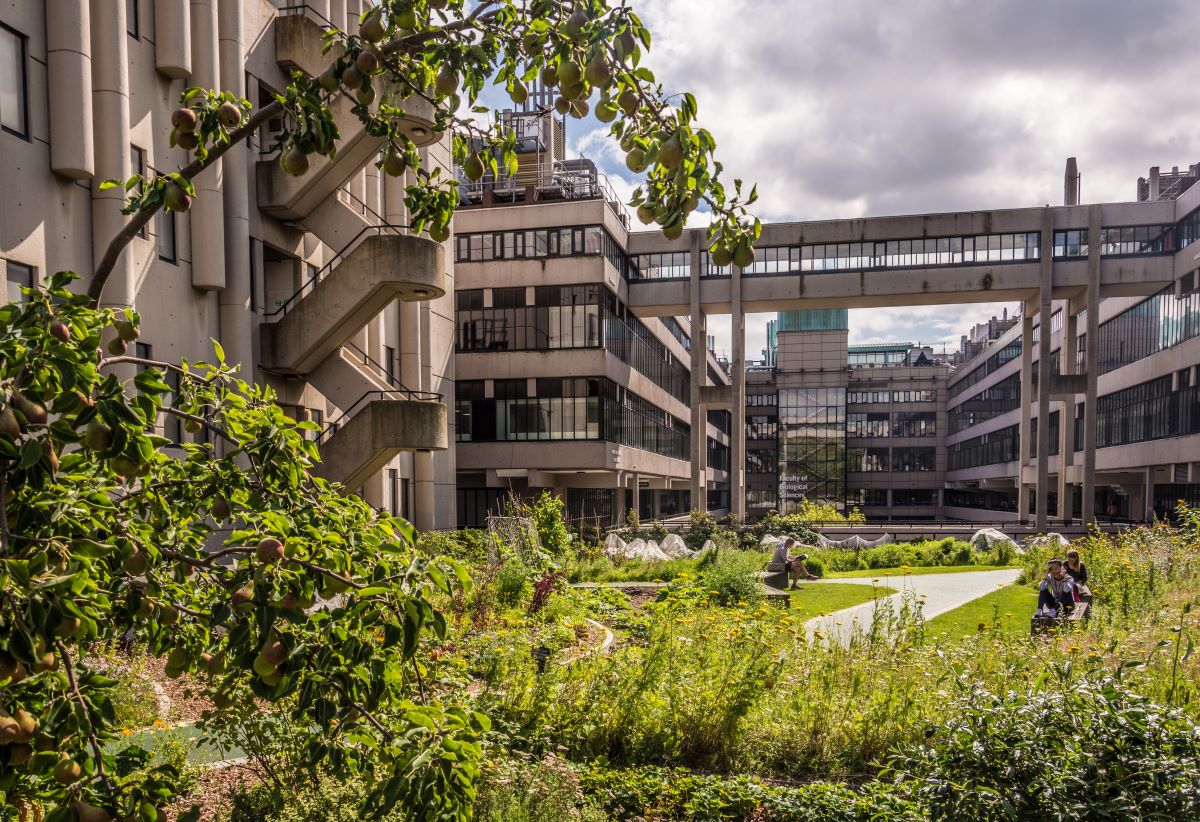
The University of Leeds has once again been recognised as one of the world’s leading universities for sustainability, securing a place among the global top 60 institutions in the 2026 Times Higher Education (THE) Sustainability Impact Ratings. The achievement reflects the University’s long-standing commitment to addressing environmental and social challenges through world-leading research, education, operations and partnerships.
Published on 24 June 2026, the rankings placed Leeds joint 52nd out of 1,603 universities worldwide and sixth in the UK, with an overall score of 92.2%.
The THE Sustainability Impact Ratings assess how universities contribute to all 17 United Nations Sustainable Development Goals (SDGs), measuring performance across research, teaching, stewardship and engagement activities.
Leeds achieved particularly strong results across a range of environmental and social impact areas, ranking within the top 50 universities globally for six SDGs:
- SDG 15: Life on Land – joint 9th globally and 5th in the UK
- SDG 14: Life Below Water – joint 12th globally and joint 4th in the UK
- SDG 17: Partnerships for the Goals – joint 27th globally and 4th in the UK
- SDG 16: Peace, Justice and Strong Institutions – 35th globally
- SDG 13: Climate Action – joint 42nd globally
- SDG 10: Reduced Inequalities – joint 50th globally
The University also ranked within the world’s top 100 institutions for Responsible Consumption and Production (SDG 12), Sustainable Cities and Communities (SDG 11) and No Poverty (SDG 1).
Delivering impact through education, research and partnerships
The results highlight the breadth of sustainability activity taking place across the University and the impact of work being delivered by staff, students and partners.
Leeds strong performance in Life on Land and Life Below Water reflects extensive work to protect and enhance ecosystems locally and globally through research, education and practical action. The University achieved a perfect score for action measures within these goals, alongside exceptionally high scores for sustainability education.
Partnership working continues to be one of Leeds greatest strengths. The University scored highly for both relationships that support the SDGs and education for sustainable development, demonstrating the value of collaboration in addressing complex global challenges.
The rankings also recognised Leeds leadership in governance and policy engagement. The University recorded its strongest-ever performance in Peace, Justice and Strong Institutions (SDG 16), reflecting robust governance practices and meaningful collaboration with regional and national policymakers.
Other areas of excellence included support for arts and heritage, lifelong learning, collaborations with health services, environmental education and research addressing hunger, innovation and infrastructure, and land ecosystems.
Building on success through a new University-wide framework
This achievement comes shortly after the launch of the University’s new Framework for Environmental & Social Responsibility 2026-2030, which sets out a bold vision for embedding environmental and social responsibility across every aspect of University life.
The Framework brings together activity across research, education, operations and partnerships into a single, institution-wide approach aligned with the United Nations Sustainable Development Goals. It has been developed to help the University respond to global challenges including climate change, social inequality and environmental degradation, while empowering staff and students to contribute to positive change
The Framework recognises the University’s role at multiple levels: enabling individuals to take action, transforming institutional practices and contributing to positive change beyond campus through research, innovation and collaboration. It aims to ensure that sustainability is embedded in decision-making and that the University continues to deliver meaningful impact locally, nationally and globally.
A collective achievement
The University’s performance reflects the contributions of colleagues and students across the institution, as well as the many external partners who work with Leeds to advance sustainable development.
The results also demonstrate the value of a coordinated, institution wide approach. Over the past year, colleagues from across academic and professional service teams have worked together to strengthen evidence, share best practice and showcase the full breadth of activity contributing to the SDGs.
As the University begins delivery of its new Framework for Environmental and Social Responsibility, the rankings provide further evidence that Leeds is making a tangible contribution to addressing some of the most pressing environmental and social challenges of our time.
For more information about the University’s work in support of the United Nations Sustainable Development Goals, readers can explore the University of Leeds Sustainable Development Goals Report 2024–25.
We use the United Nations Sustainable Development Goals (SDGs) as a framework to guide our activity. This work is linked to the following SDGs:
- Goal 1: No Poverty
- Goal 4: Quality Education
- Goal 14: Life below Water
- Goal 15: Life on Land
- Goal 16: Peace, Justice and Strong Institutions
Find out more about our impact on the SDGs.