A glimpse into Fairtrade at the University of Leeds
Hi, I’m Emma Haywood, the Sustainability Projects Assistant for 2024/25, a year-long intern for the University of Leeds Sustainability Service. As my internship comes to an end, and with Fairtrade Fortnight 2025 around the corner (mark your calendars 22nd September to the 5th of October!), I thought now is a good time to reflect on what I’ve been involved in working on Fairtrade this past year, what I’ll take away from it and what we have coming up!
What is Fairtrade?
You may have seen the Fairtrade logo on products around campus either at Great Food at Leeds outlets, the Co-op and the Green Action Co-operative in the LUU, or even the Fairtrade clothing in Gear. Maybe you already know what Fairtrade is, but just in case you aren’t familiar with it here’s a brief introduction!
Fairtrade is a movement that ensures workers and farmers in developing countries who are typically disadvantaged by global trade are paid the minimum wage, ensuring workers right and working conditions. Fairtrade also provides opportunities for farmers and workers to invest back into their community, environment or businesses, for their own benefit and quality of life.
How have I been involved in Fairtrade?
Through my placement I have been part of the Fairtrade Steering Group, to ensure student voice is included. This allowed me to meet a variety of different people across campus, which, as a student, I enjoyed seeing how the University works operationally! I also reviewed the University's engagement with Fairtrade in research and curriculum, and it was interesting to learn about its links to different modules and courses.
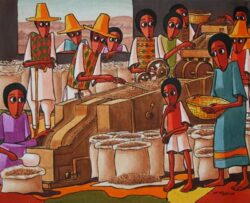
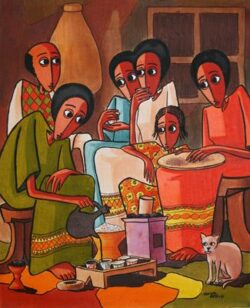
As it was 20 years of Fairtrade at the University this year, I got to meet Joanna Brown who originally set up Fairtrade at the University of Leeds back in 2005! It was great having her tell us how Fairtrade originated at the University and getting to see newspaper clippings from that time as well. She collaborated with an Ethiopian Artist called Nebiyu Assefa to produce paintings and books about Ethiopian Fairtrade coffee which she brought in for us to see!

I also had the opportunity to listen to a webinar on the links between Fairtrade and the United Nations Sustainable Development Goals (SDGs). Fairtrade supports more than just the obvious SDGs of no poverty, reduced inequality and responsible production and consumption, but also supports quality education, gender equality, climate action and partnership for the goals. It was interesting to learn that Fairtrade connects with more SDGs than you’d think!
What I’ll take away from working on Fairtrade
Working on Fairtrade over the past year it was been interesting to see how it links into university operations, research and curriculum, the SDGs, art and creates direct impact for farmers and workers. It is important to ensure we do our bit as consumers to support the producers of the food and products we eat. As I continue my studies next year I will take forwards the Fairtrade principles by exploring their role in promoting sustainable agriculture and ethical supply chains, and hopefully engage my peers in conversations about how consumer choices can drive environmental and social change.
How to get involved!
Coming up we have Fairtrade Fortnight 2025 from 22nd September until the 5th of October. This is an annual event to support Fairtrade by raising awareness and taking action. Further details will be published on it closer to the time and keep an eye on our socials as well!
The easiest way to support is to buy Fairtrade certified products! Next time you go shopping keep an eye out for the Fairtrade mark on products to ensure that your purchases are supporting a fairer deal for workers and farmers!
United Nations Sustainable Development Goals
We use the United Nations Sustainable Development Goals (SDGs) as a framework to guide our activity. Our work on Fairtrade is linked to the following SDGs:
- Goal 1: No poverty
- Goal 2: Zero hunger
- Goal 5: Gender equality
- Goal 8: Good jobs
- Goal 13: Climate action
Find out more about our impact on the SDGs.