
Get involved
Get involved in our Climate Plan
Tackling the climate crisis requires action from everyone. Whether you are part of our staff community, a student, or an external partner, there are many ways you can contribute to our collective goals for sustainability and net zero.
Staff
Staff play a vital role in delivering the University's Climate Plan. Whether you're looking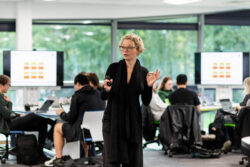 to reduce your environmental impact at work, embed sustainability into teaching and research, take part in volunteering opportunities, or contribute to climate and sustainability initiatives across the University, dedicated guidance and resources are available to support you.
- Visit the Climate Plan SharePoint Hub for information, resources and opportunities to help you get involved with climate action at the University.
- Get information on wider Sustainability at Leeds activities for staff.
Students
 Students are vital to driving innovation, advocacy, and behaviour change across our community.
How you can get involved
Just Transition Student Advisory Group
Help shape the University's approach to climate action by contributing student perspectives and ensuring that sustainability initiatives are fair, inclusive and responsive to the needs of our community.
Student Sustainability Architect Programme
Work alongside staff and peers to develop and deliver projects that embed sustainability across the University, gaining valuable experience and helping drive institutional change. Sign up to MyCareer to find out about other sustainability roles, work-based learning and employer engagement events.
Present your research, share ideas and connect with students and staff working on sustainability challenges. The conference provides an opportunity to showcase student-led research and contribute to conversations around environmental and social responsibility.
Choose sustainable travel
Reduce your environmental impact by considering lower-carbon ways to travel to and around campus, including walking, cycling and public transport.
Take part in events and workshops
Join climate-themed events, workshops, and activities throughout the year to learn new skills, connect with like-minded people and explore solutions to environmental and social challenges.
Share your ideas
We welcome feedback and suggestions from students. If you have ideas, questions or would like to get involved, contact us at [email protected].
For more opportunities to participate in wider sustainability activities, projects and initiatives, visit the Student Sustainability webpages.
Good House Keeping Guide
Good House Keeping Guide for staff and students

Good housekeeping measures are simple, zero cost measures that can be implemented into daily routine and adopting them can reduce the energy consumption by an average of 5%
Heating
-
Set TRVs (Thermostatic Radiator Valves) to level 3 which corresponds to a room temperature of 20°C and leave them to control automatically.
-
Keep windows and doors closed to prevent heat escape.
-
Remove obstructions from radiators.
-
Do not use portable heaters, they can disrupt the heating system and prevent the overall building control strategy from operating correctly.
-
Open blinds/curtains during the day for heating from sunlight. Close blinds/curtains at night to better retain heat.
-
Dress appropriately to manage your own thermal comfort.
Electricity
-
Open blinds/curtains during the day for natural light.
-
Turn off the lights when leaving a room.
-
Turn off PCs and electrical equipment instead of just leaving them on standby. Unplug kitchen equipment and regularly clean out and defrost fridges and freezers.
-
If you have ULT freezers in your laboratory clear them out regularly, raise temperatures to -70°C and consolidate where possible.
-
Put timers or alarms on lab equipment, such as fume cupboards, to prevent them being left on or open.
Water
-
Make sure taps are turned off after use.
-
Report leaking taps to the Estates Helpdesk.
-
For toilets with dual flush controls use a light flush where appropriate.
-
Use a washing up bowl or a plug when washing up instead of washing dishes under running water.
-
In laboratories consider alternatives to high water intensity lab equipment, such as recirculating chillers or vacuum pumps.
-
In laboratories only use distilled water when necessary and use the lowest grade possible
External partners and community
 We are committed to working collaboratively with external organisations, businesses, policymakers, community groups and the wider public to deliver meaningful climate action and positive social impact. By sharing knowledge, building partnerships and developing practical solutions, we can extend our impact beyond the University and contribute to a more sustainable future.
How you can get involved
Positive Impact Partners
Community and Partners
Addressing climate change requires collective action. Find out how the University works with communities, businesses, policymakers and partner organisations to support climate action, sustainability and positive social impact beyond our campus. Visit the community and partners page for more information.
Everyone can take action
No matter your role, small actions contribute to big change.
- Reduce energy and resource use
- Choose sustainable travel options
- Advocate for climate-positive change
- Stay informed and engaged