University of Leeds shortlisted for EAUC Green Gown Award
The University of Leeds is delighted to have been nominated for the Nature Positive category at the EAUC Green Gown Awards. This recognises the University’s long-standing commitment to biodiversity, nature recovery, and sustainable land management across campus and the wider city and region.
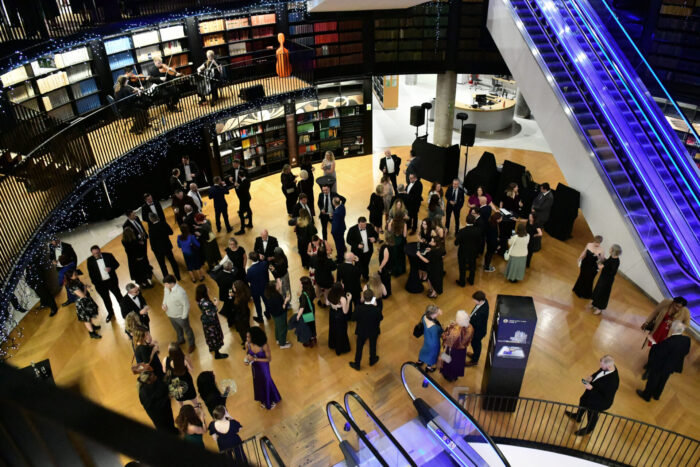
EAUC Green Gown Awards 2025 (credit: EAUC/ Jas Sansi)
A Decade of Action for Nature
The nomination reflects over a decade of collaborative work, led by Residential Services and the Sustainability Service, in partnership with Yorkshire Wildlife Trust and other nature-based charities. Since 2012, the University has delivered 60 Wild Work Day volunteer events, engaging staff and students in practical conservation across Leeds and the Aire Valley, from Skipton to Pontefract.
These events, averaging 15 volunteers per group, have focused on improving habitat and access on a wide range of sites. Activities have included:
- Wetland and fen management;
- Natural flood management for the Leeds Flood Alleviation Scheme;
- Scrub and hay clearance on magnesian limestone grassland;
- Hay meadow and wildflower creation;
- Tree, hedge, and orchard planting;
- Coppicing, hedge-laying, and dead hedging;
- Otter holt construction and woodland glade creation.
Biodiversity Improvements on Campus
Inspired by these efforts, as part of their Sustainability Blueprint, Residential Services has led a series of biodiversity enhancements across University residential sites from 2016 to 2025, including:
- Creation of an ‘access for all’ sensory garden;
- Adoption of hedgehog-friendly maintenance practices;
- Planting of pollinator-friendly shrubs and trees;
- Establishment of low-mow zones to protect orchids and tawny mining bees;
- Collaboration with Buglife’s Urban Buzz to create wildflower areas;
- Planting of crab apple trees to enrich woodland understorey;
- Training in hedge-laying techniques for staff, contractors, and volunteers.
Student Engagement and Wellbeing
From 2018 to 2025, Residences also recruited some Student Sustainability Architects to develop biodiversity action plans, map habitats across residential sites, and analyse the impact of outdoor activities on health and wellbeing, further embedding operational opportunities into the student experience.
Transforming Urban Space: North Hill Well Wood
A highlight of the University’s nature recovery work is the North Hill Well Wood Project (2021–2025), developed in partnership with Groundwork Yorkshire and Unite Students. This initiative transformed an overgrown tennis court on Headingley Hill into a vibrant woodland glade, benefiting students, staff, local residents and wildlife.
Key outcomes include:
- Improved access with paths and steps
- Conversion of poor-condition sycamores into hibernacula for amphibians and hedgehogs
- Replacement of over-dominant species with climate-resilient trees and shrubs
- Enhanced light levels and habitat for smaller flora
- Installation of water features, nest boxes, and interpretive signage
- Supplementary planting to increase ancient woodland indicator species
- Identification of fungi species to support ecological monitoring
A Partnership for Nature
As a corporate partner of Yorkshire Wildlife Trust, the University benefits from expert advice, knowledge sharing, and a broader platform to engage the public. Mike Howroyd, Sustainability Programme Officer for Biodiversity at the University said:
“Being shortlisted for this award highlights the University’s ambition to be a leader in nature recovery. Our biodiversity principles: protect, enhance, and engage guide everything we do, from campus habitats to regional partnerships. All of this work supports our University pledge to the UN Sustainable Development Goals and reflects our commitment to a Nature Positive future.”
With 45,000 members, the Trust has helped amplify the University’s work through features in its quarterly Wildlife Yorkshire magazine and this nomination is a testament to the University’s leadership in creating a nature-positive campus, where biodiversity, wellbeing, operational delivery and sustainability go hand in hand.
We use the United Nations Sustainable Development Goals (SDGs) as a framework to guide our activity. Our work on biodiversity is linked to the following SDGs:
- Goal 3: Good Heath and Well-being
- Goal 11: Sustainable Cities and Communities
- Goal 15: Life on Land
- Goal 17: Partnerships for the Goals
Find out more about our impact on the SDGs.